
Croick Church
Denomination: Former Church of Scotland, now owned by Historic Churches Scotland
Address: Croick, IV24 3BS
Local Authority: Highland
Listing: A
Church Website
Church Overview
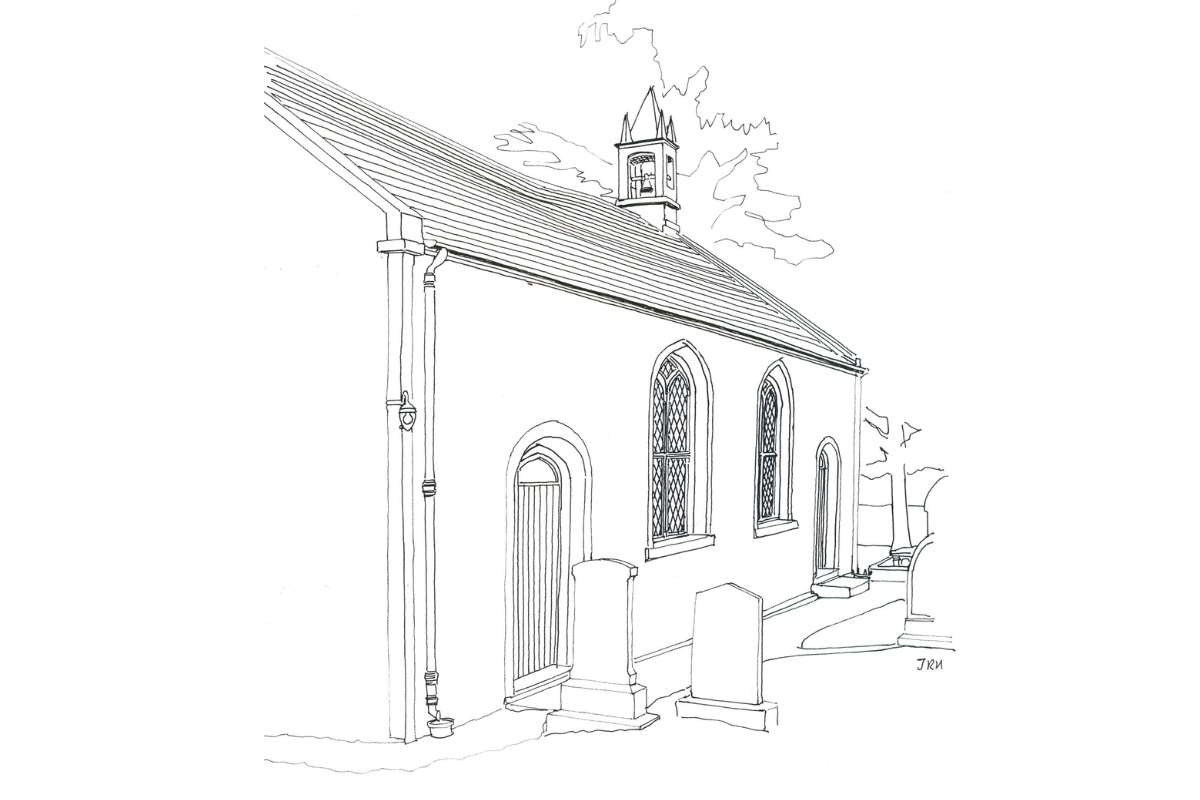
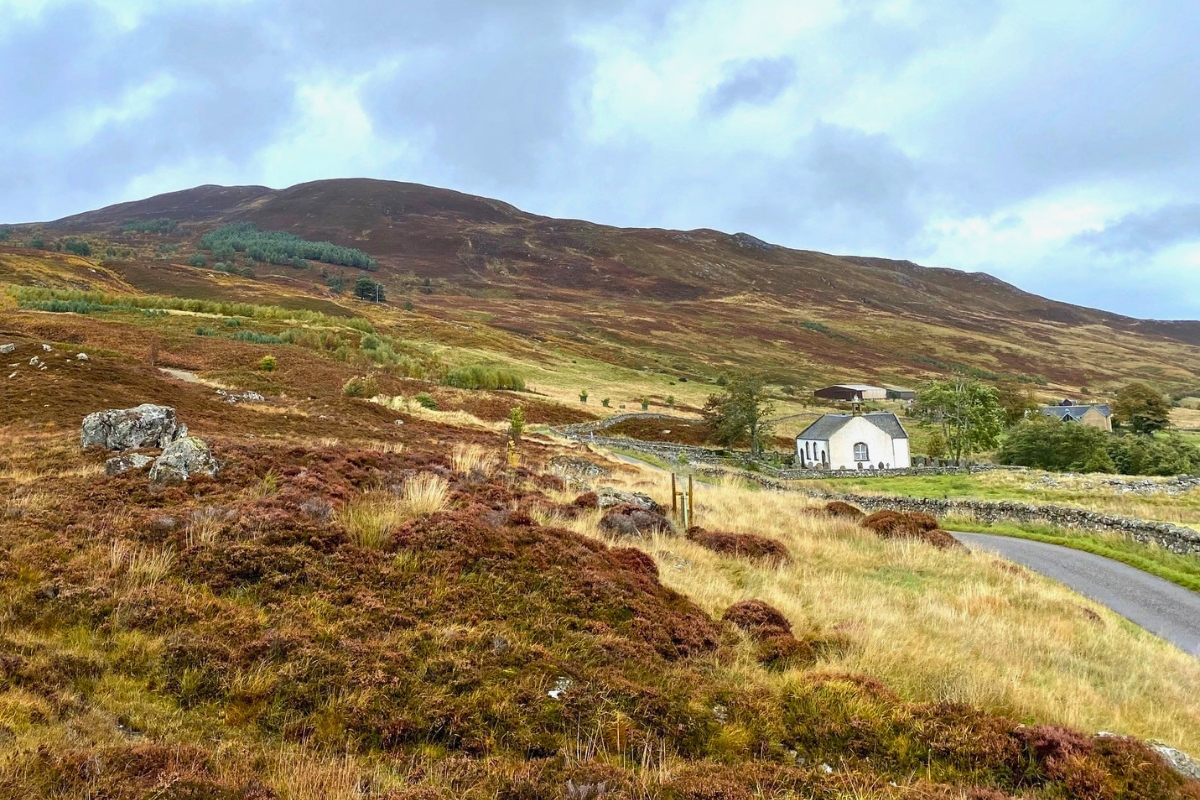
This little unassuming, harled, T-plan ‘Parliamentary Church‘ was built by surveyor James Smith in 1827. It was one of 32 churches, each one constructed to either a standardise rectangular or a T-plan design, to be built across the Highlands and islands of Scotland between 1826 and 1829, as a consequence of the Church of Scotland Act 1824, under the supervision of the celebrated Scottish civil engineer Thomas Telford.
Often known as ‘Telford Kirks’ in the two centuries since, only around a dozen of these churches now remain in use today as the sanctuaries and worship spaces that they were originally built to be, with the remainder being demolished, abandoned or converted to other uses.
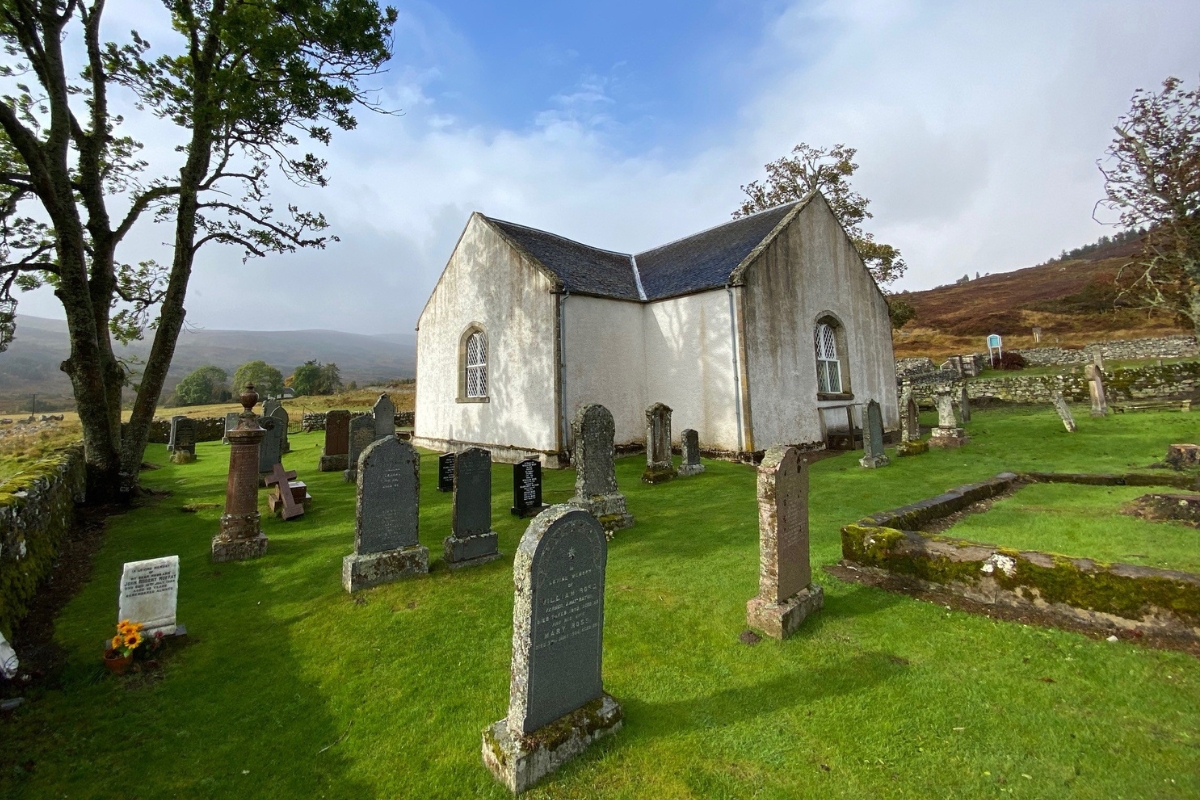
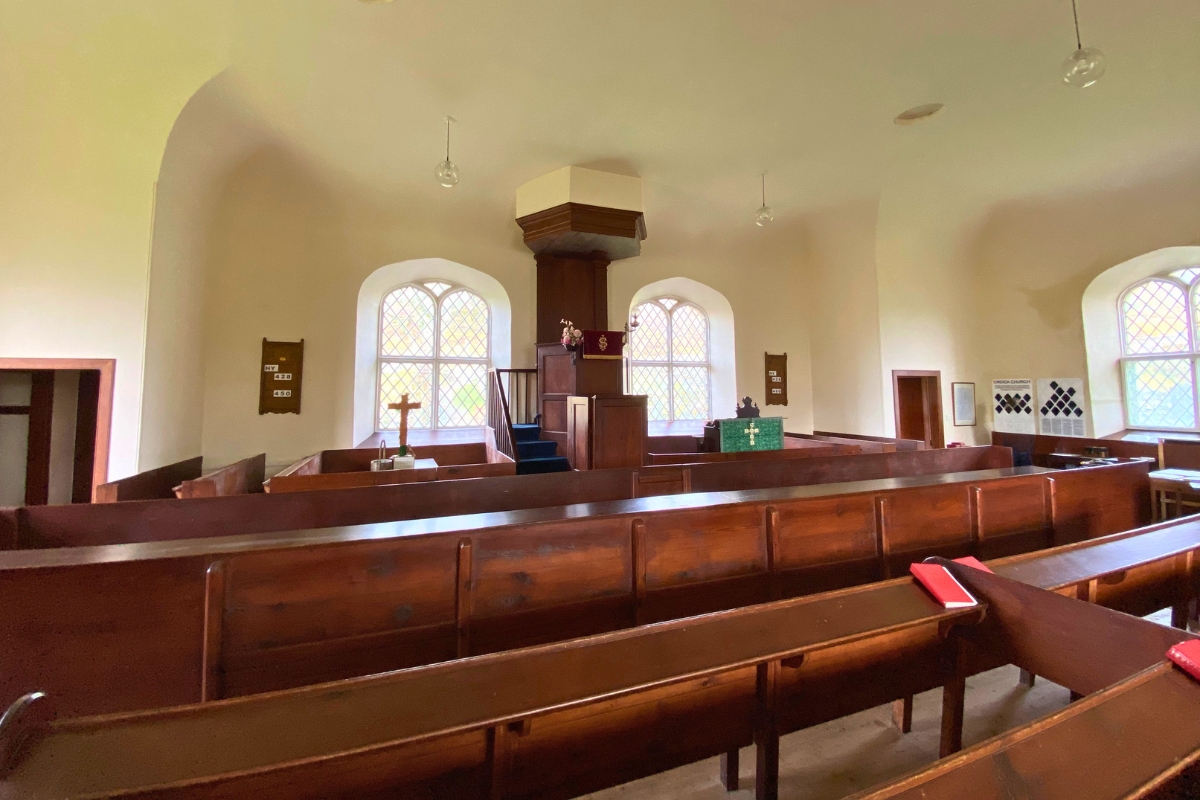
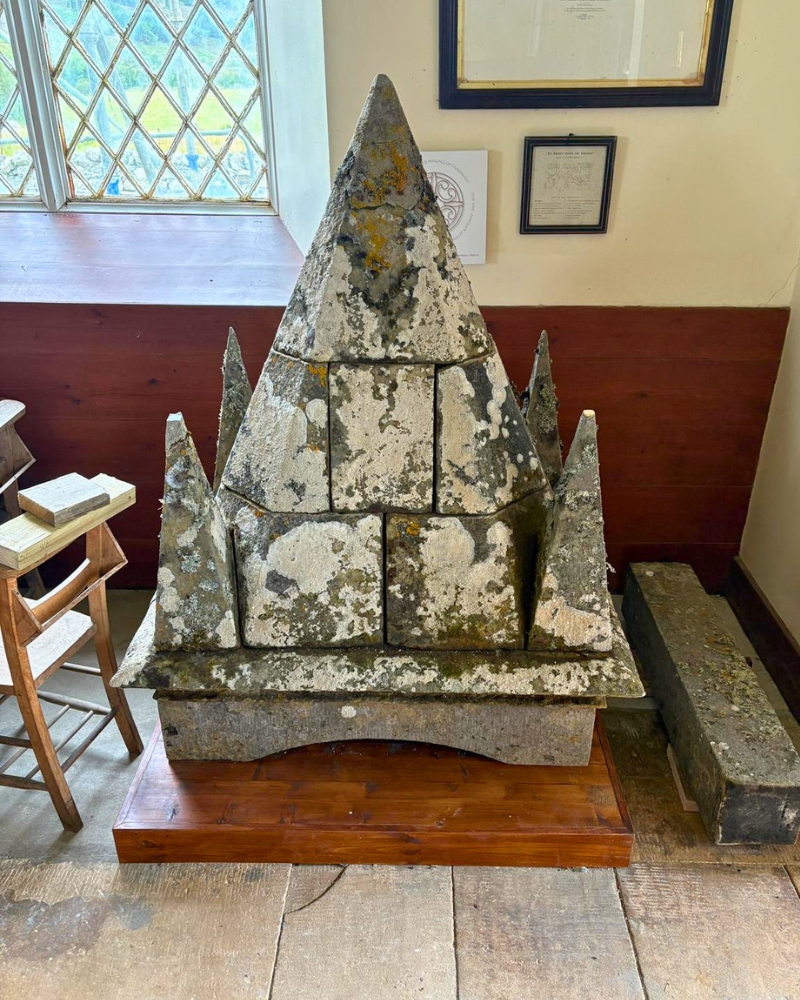
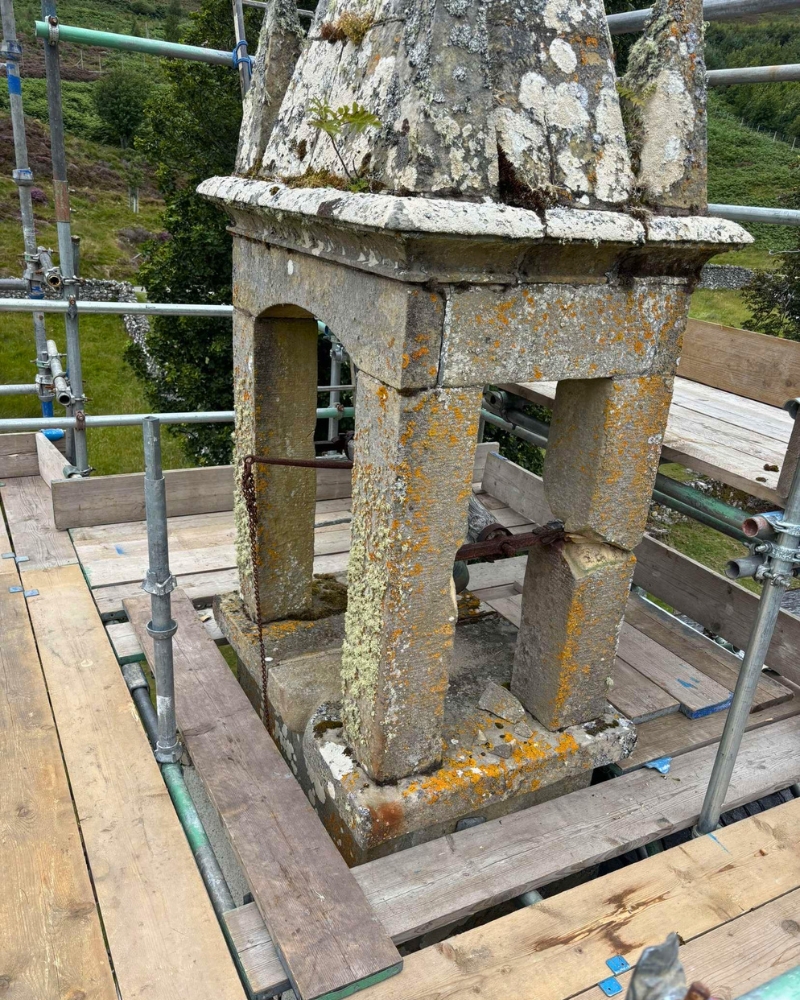
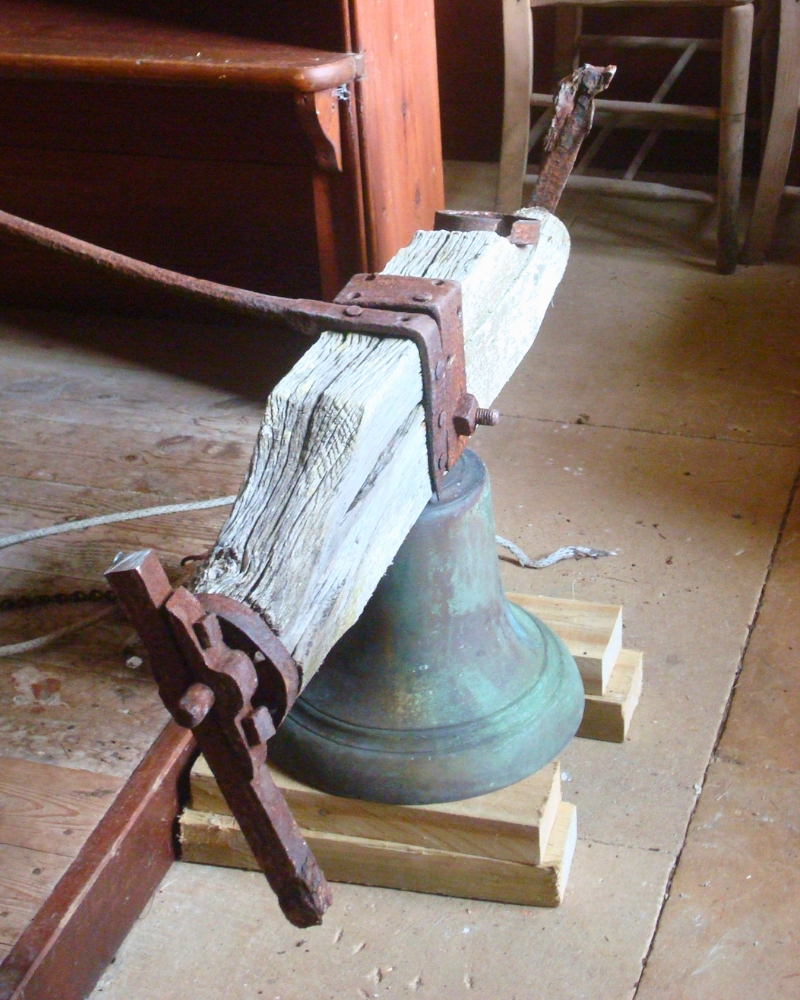
Croick was constructed to the standard T-plan design, with simple harled and tooled margins showing on its external masonry walls and the characteristic pair of arched doorways, found in many Telford Kirks, inserted into its north elevation. An unpretentious bellcote, with thick-set conical finials, was placed on the west apex, to call the 200 or so inhabitants of the surrounding glens to service on Sundays from their widely scattered fermtoun homes.
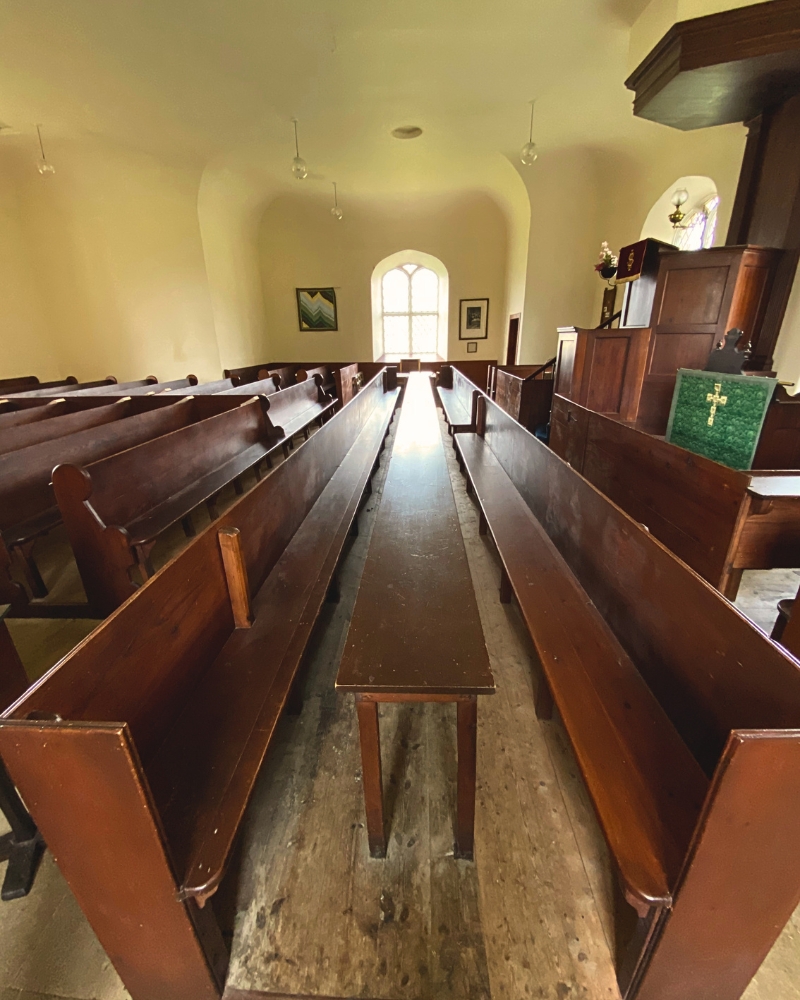
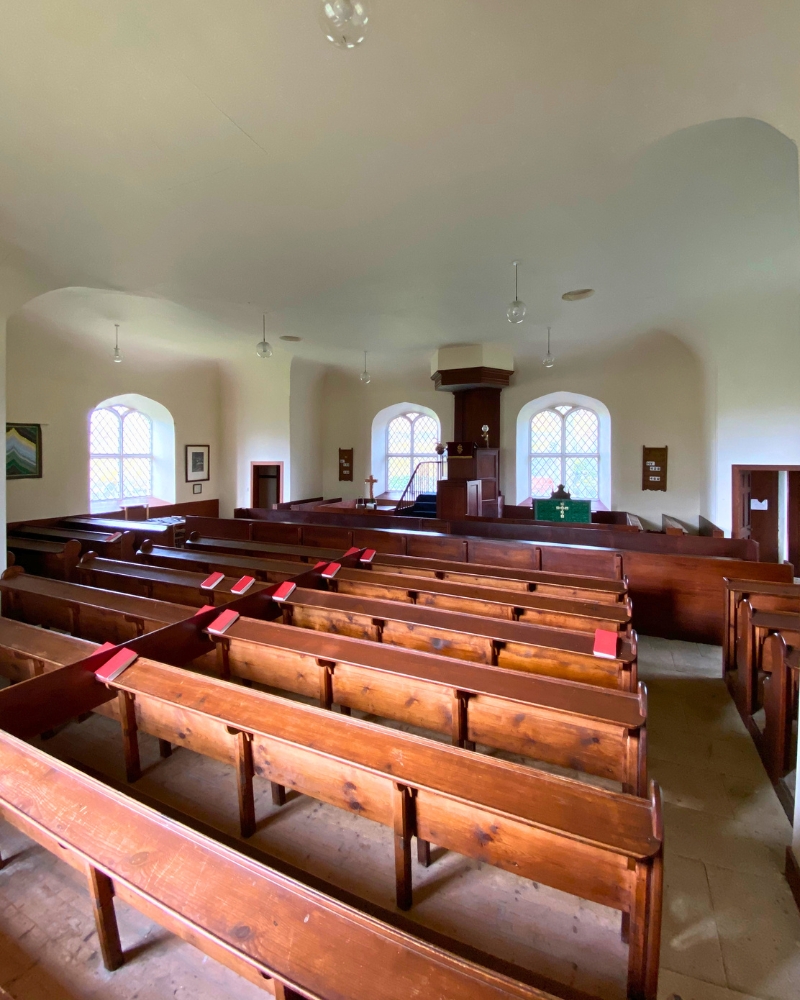
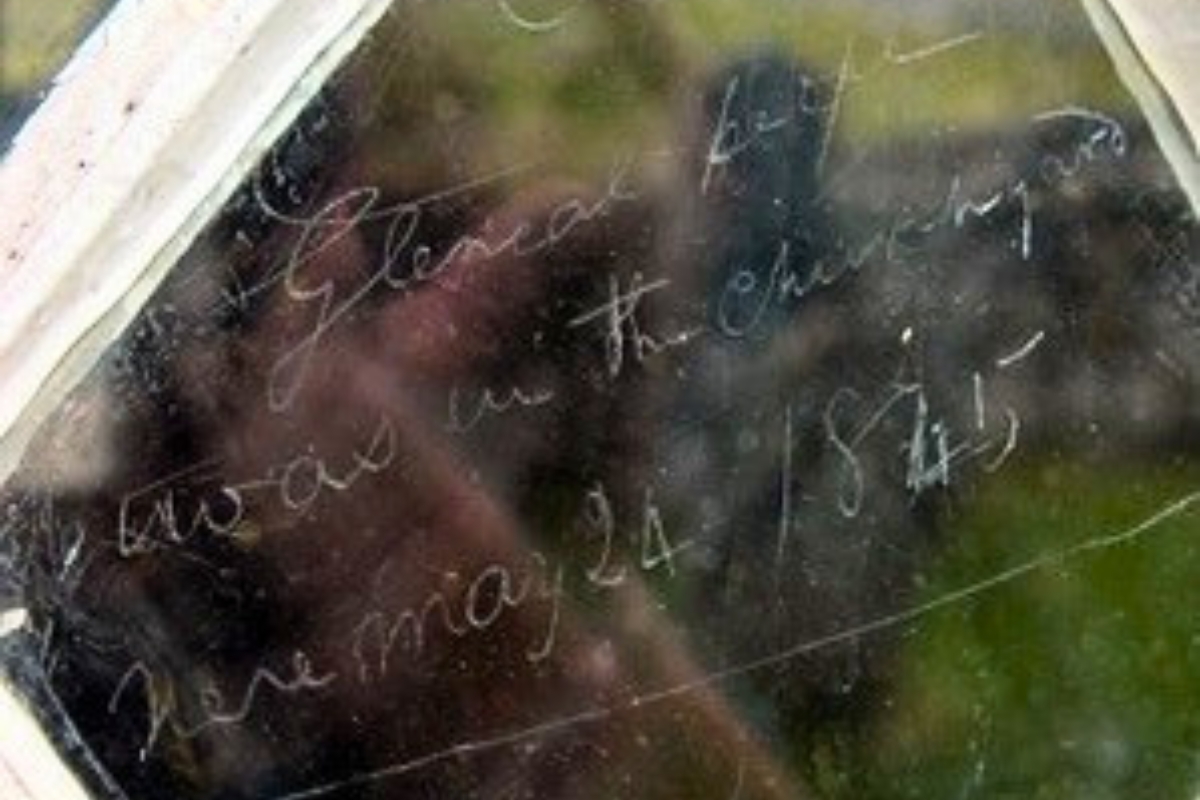
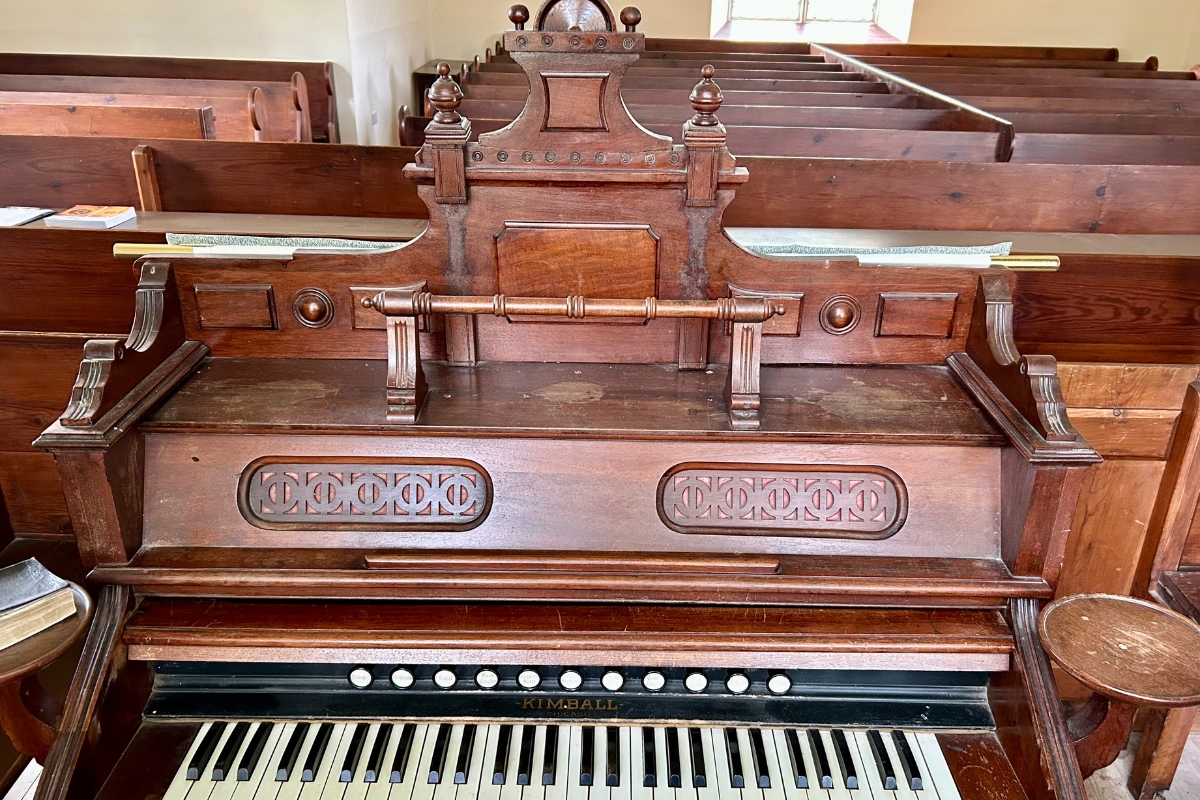
Electricity was only installed in the church for the first time in 1982, during a programme of extensive repairs to its roof and walls that had begun in the late 1970s. Incredibly, its simple furnishings have, however, remained virtually unchanged since it was first built, with its traditional-style long communion table, original pews and pulpit all still in place. But most visitors to this special little church are drawn by its east window and the mournful messages scratched upon it.
During an era that has come to be known in ignominy as the Highland Clearances, many landlords across this part of Scotland chose to displace their tenants and replace them with sheep, in an effort to raise greater income from their estates. In 1843, James Gillanders, factor to local landlord Charles Roberston of Kindeace, issued summonses of eviction to the 90 or so inhabitants of Glen Calvie in order convert their homes into a consolidated “sheep walk”.
The tenants resisted for a time, but the law was on the factor’s side and in the summer of 1845 the 92 residents of the 18 remaining households that had not voluntarily quit their homes, were compelled to leave and forced to seek shelter wherever they could. A journalist from the London Times visited the area a few days later and described to his readers the scene he witnessed:
“Behind the church, in the churchyard, a long kind of booth was erected, the roof formed of tarpawling stretched over poles, the sides closed in with horse-cloths, rugs, blankets and plaids. On inquiry I found that this was the refuge of the Glen Calvie people.”
The evicted families had to remain in their make-shift, tented accommodation for several days, until they could obtain payment from their landlord for the stock and goods they left behind on their small farm-holdings, and then they departed in search of work and shelter elsewhere. Before leaving, a number of them scratched their names or short messages on the diamond shaped panes of the east window of their kirk, leaving some small token of their presence behind in the lands that their families had worked, lived and loved for generations.
The kirkyard that witnessed this remains relatively unchanged around the church, and local lore has it that when the factor Gillanders died he was buried near the gate, where stones and rubbish were regularly thrown at his grave until it became overgrown and entirely lost. Visitors can also see the ruins of an Iron Age broch in the nearby church glebe.
In 2025, during a period of nationwide church closures undertaken by the Church of Scotland, Croick Church passed into the care of Historic Churches Scotland, a Scottish conservation charity that manages and maintains churches of national importance that are at risk of closure, disuse or decay. An extensive programme of repair work is already underway, to address serious structural issues with the building, beginning with dismantling the historic bellcote for repair before it potentially collapsed. The charity is also working with the local community and various local organisations, such as the Tain & Easter Ross Civic Trust and Archaeology for Communities in the Highlands, on additional innovative heritage projects, such as digitising the church’s extensive visitor books or collecting oral histories about the building and the land around.
Services
Occasional
Opening Arrangements
Open every day (April to October from 9am-6pm and November to March from 10am-3pm)
Image Gallery
Click image to open gallery.




Disclaimer
The information about churches in Scotland’s Churches Scheme has been provided by the congregations or taken from the Historic Scotland list and published sources, in particular, the Buildings of Scotland volumes and the RIAS Illustrated Architectural Guides. To contact this specific church please complete the Contact this Church form above. The information is not authoritative; please contact Scotland’s Churches Trust to let us know of any errors or omissions.