
Sacred Spaces in the City: Edinburgh’s Churches during Doors Open Days

Joanna Greener
Digital Heritage Intern
Organised once again by the Cockburn Association, the 35th annual Edinburgh Doors Open Days event is set to to take place on the 26th-27th September as part of the nationwide Doors Open Days festival co-ordinated by the Scottish Civic Trust.
Almost 30 of the city’s places of worship are participating in this year’s programme and our Digital Heritage Intern Joanna Greener, local resident and recent graduate of the University of Edinburgh, has written a blog for us about the benefits of free access to heritage buildings and has selected four wonderful churches from the list that she is hoping to visit over the weekend.
Doors Open Days is a brilliant (and free!) opportunity to explore our city’s buildings. From popular city staples to underappreciated hidden gems, this festival welcomes you into Scotland’s heritage sites, some of which are not normally open to the public. Since its inception in 1990, Doors Open Days has grown into Scotland’s largest free heritage festival. The Scottish Civic Trust has coordinated the event nationally, since its very first year, helping to establish and spread the concept worldwide and the Cockburn Association has organised the event in Edinburgh since 1991. In 2025, over 950 places took part across Scotland, not only opening their doors but also offering tours, exhibitions and other activities. There really is something for everyone, whether you are interested in architecture, history, or simply curious to see inside a building you might normally walk past.
A staple of this event is Scotland’s churches. While we live in a time of uncertainty and often instability for these historic sites, the impact and storytelling abilities of these buildings are undeniable. These buildings are places of worship and must be respected as such, but they are also keystones of community, history and activity. Many have played an important role in their local communities for generations, and their architecture and collections can tell us a great deal about the people who have used them. The city’s churches play a significant role in this year’s theme, Heritage at Risk: Revive, Resist, Reimagine, which invites us to examine how we can participate in the adaptation and protection of these invaluable spaces.
Sadly, I will not be able to visit all of the 30 or so church buildings that are participating this year, so I have selected four that I will try to stop-by over the weekend.
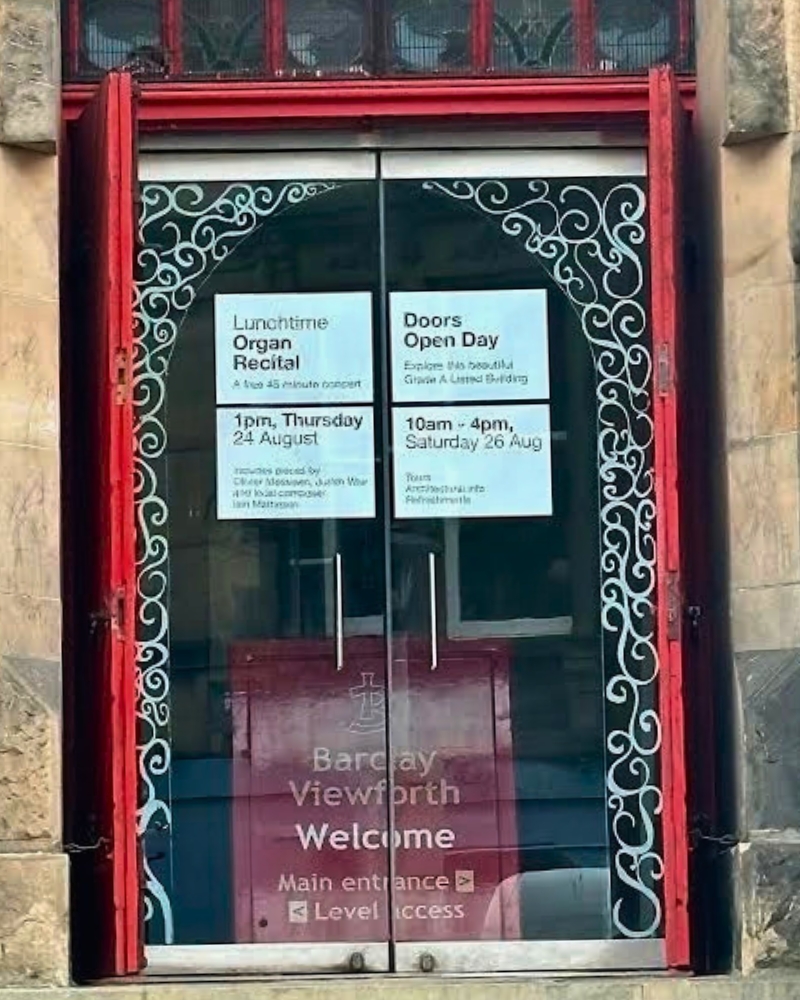
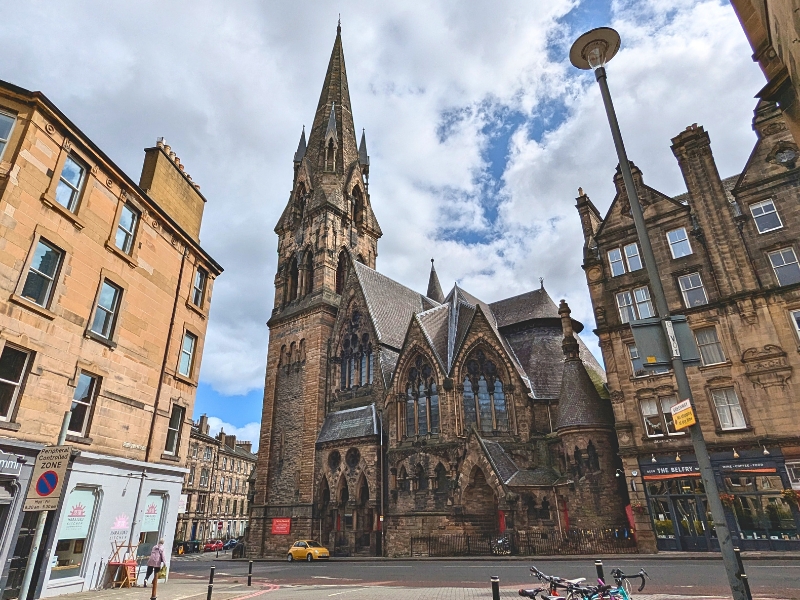
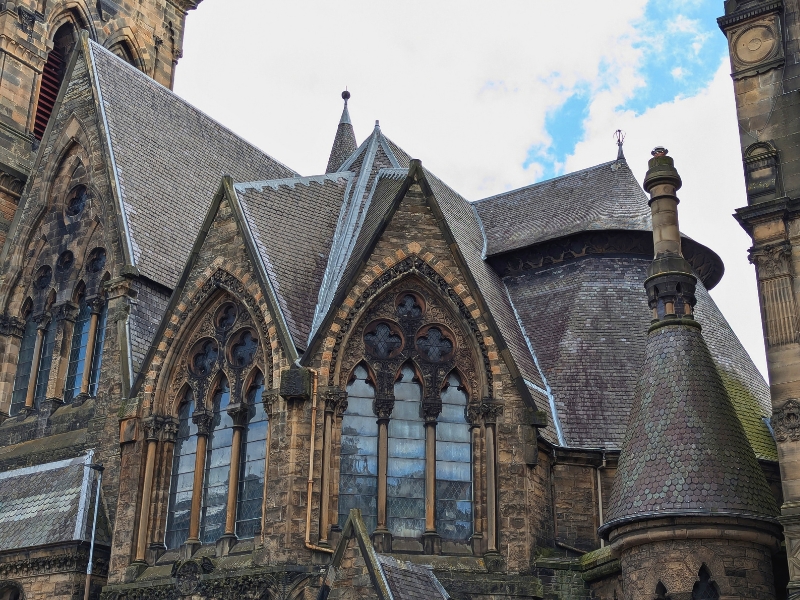
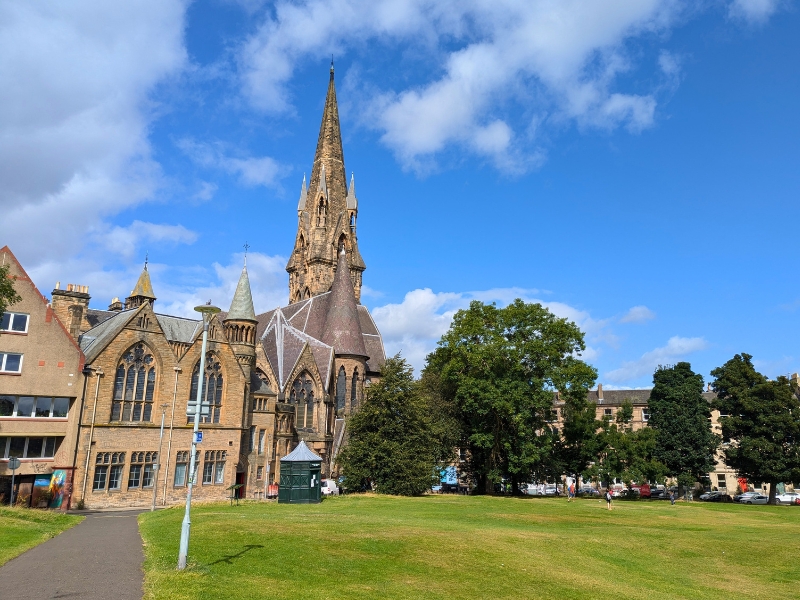
The first local is a classically historic and multigenerational church, Barclay Viewforth. The architect, Frederick Thomas Pilkington, was known as a rogue designer for his defiance of convention and his ability to blend elements from different styles. This Gothic Revival church dates to 1864 and remains in remarkable, yet well-loved, condition. Volunteers will welcome visitors on 26 September from 10.00–16.00 into this soaring landmark of a church, with its incredible stonework and towering spire. The church’s 1896 organ by R. Hope-Jones and its beautiful piano will be showcased in musical performances throughout the day. The church’s theatrical, heart-shaped sanctuary and its two tiers of galleries make the space particularly suited to such performances. With its dramatic architecture and lively programme, Barclay Viewforth is an essential visit for the event.
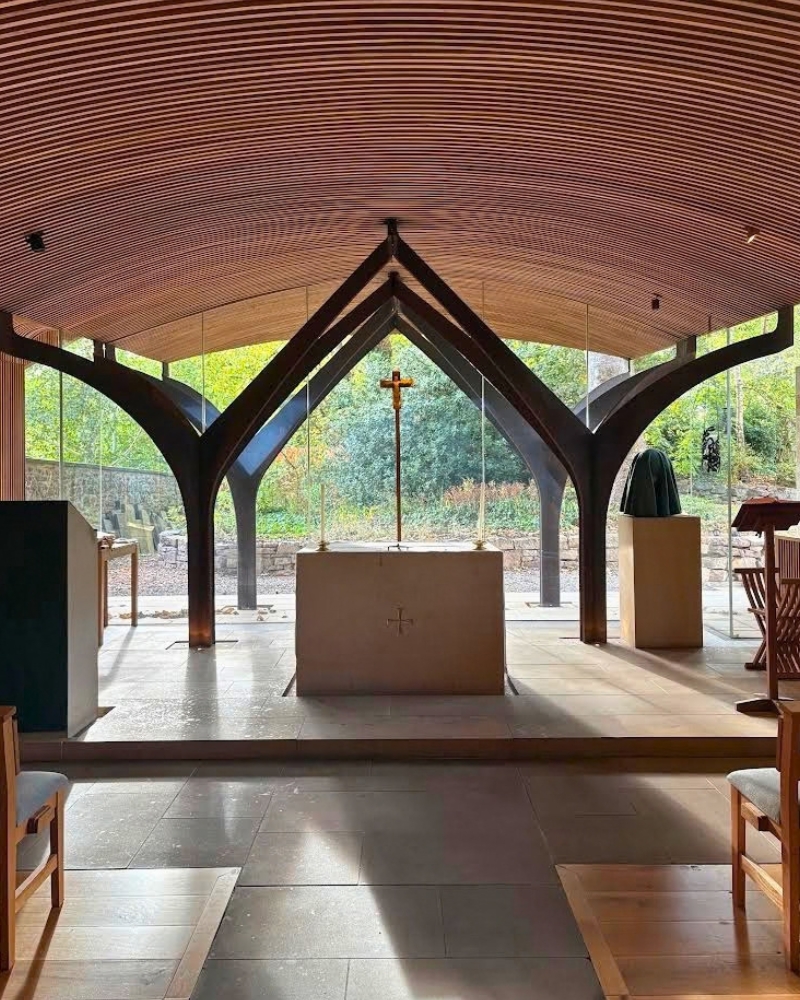
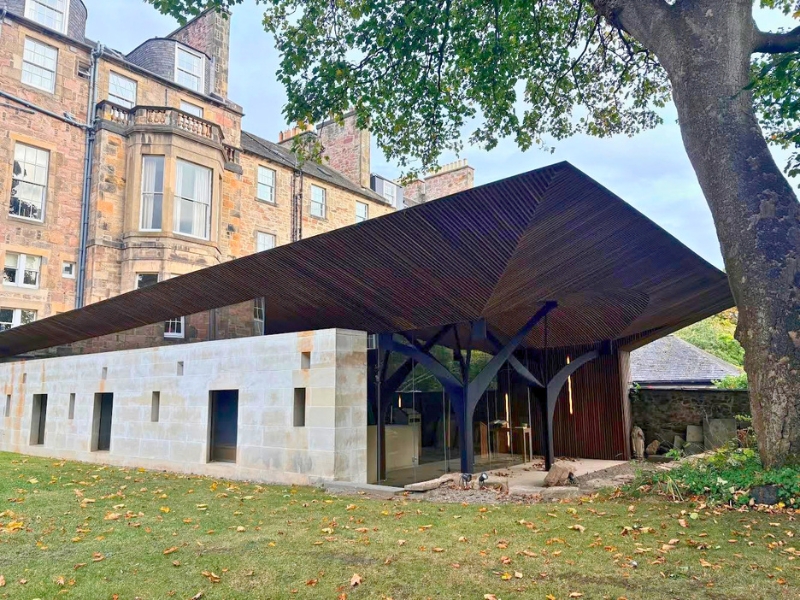
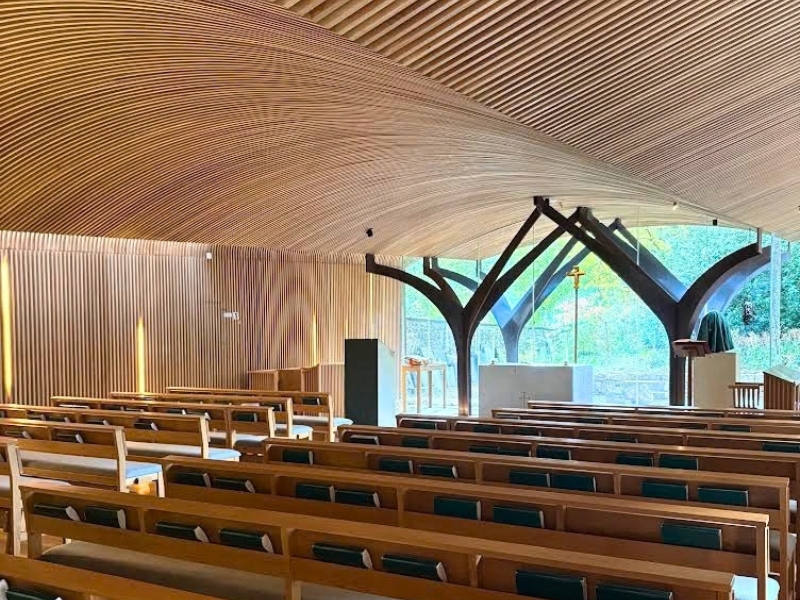
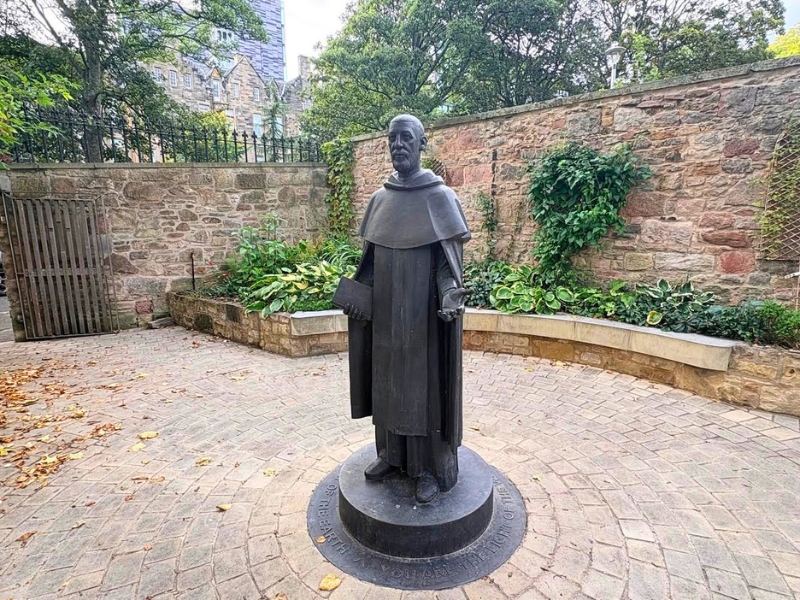
Somewhat tucked away in the city centre is the Chapel of St Albert the Great, accessed from George Square Lane through a tranquil garden behind the 1766 University Building. This chapel was designed to incorporate its beautiful setting into the architecture, with one large window providing a backdrop for the altar. The simple use of glass, stone and concrete on the exterior contrasts with the warm, modern oak roof structure. The roof timbers have been fabricated from waste products and covered with sedum to reduce water waste and provide a new habitat for the garden’s wildlife. The surrounding garden is marked with plants that correspond to the Stations of the Cross, creating a peaceful setting for visitors to explore. There is an audio guide available on site for visitors who would like to find out more. This chapel offers a peaceful and contemplative space away from the usual busyness of George Square, and is a lovely example of how modern architecture can work alongside nature and tradition.
The next church sits alongside the canal on Polwarth Terrace and offers beautiful gardens and vibrant community groups. There is even a cheerful yellow and blue canal boat parked right outside, which the church took ownership of just last year. Since then, volunteer crews have led free two-hour trips along the Union Canal, which can be arranged by contacting the church. The building was designed in 1899 by Sidney Mitchell & Robert Wilson in an impressive Gothic style. This historic parish church is a truly picturesque space that will open its doors on both days of the festival. Visitors are encouraged to explore the church’s many points of interest, such as the views from the galleries and the stunning stained glass windows. The sanctuary has its own labyrinth on the floor, which visitors are welcome to walk, while the grand 1903 pipe organ can be admired at the altar of the church. The extensive gardens not only offer a scenic space for contemplation, but also include a Ted’s Den play area for children. The combination of the church, gardens, canal and community activities makes this a particularly welcoming place to visit during Doors Open Days.
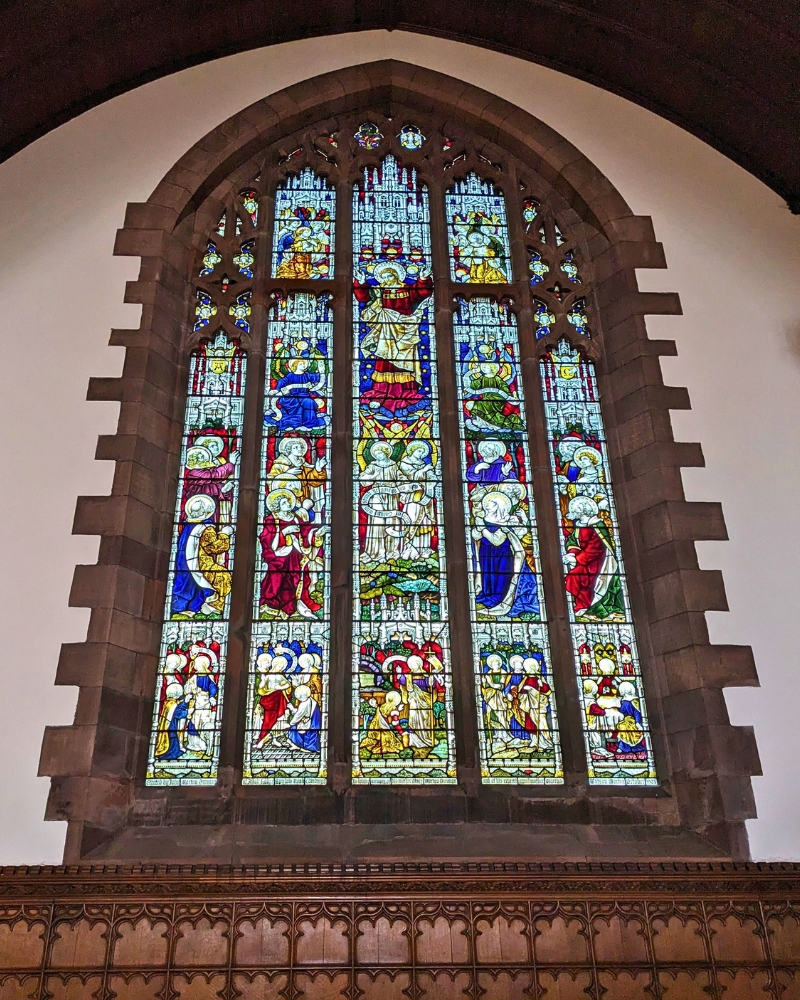
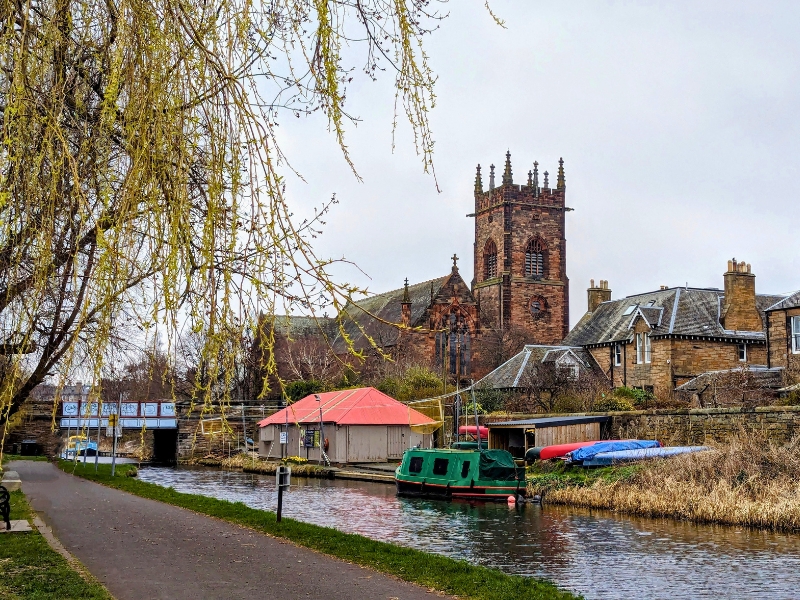
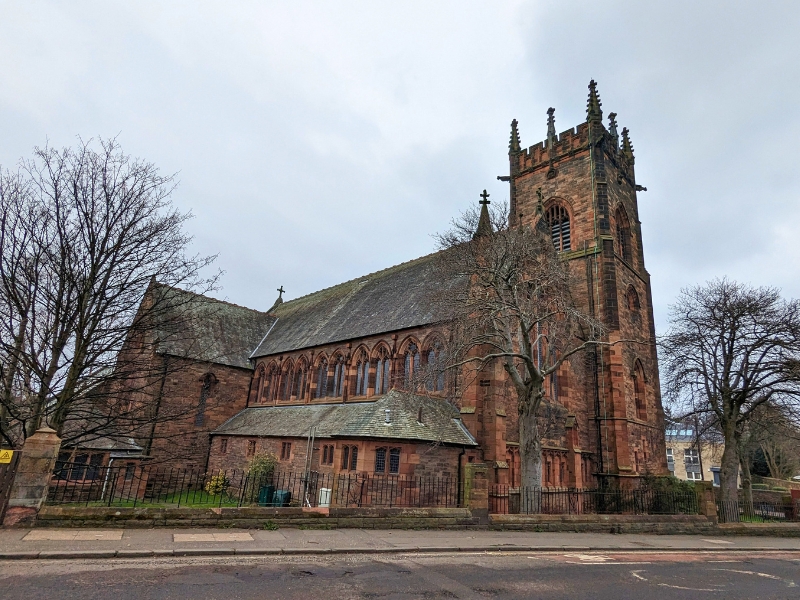
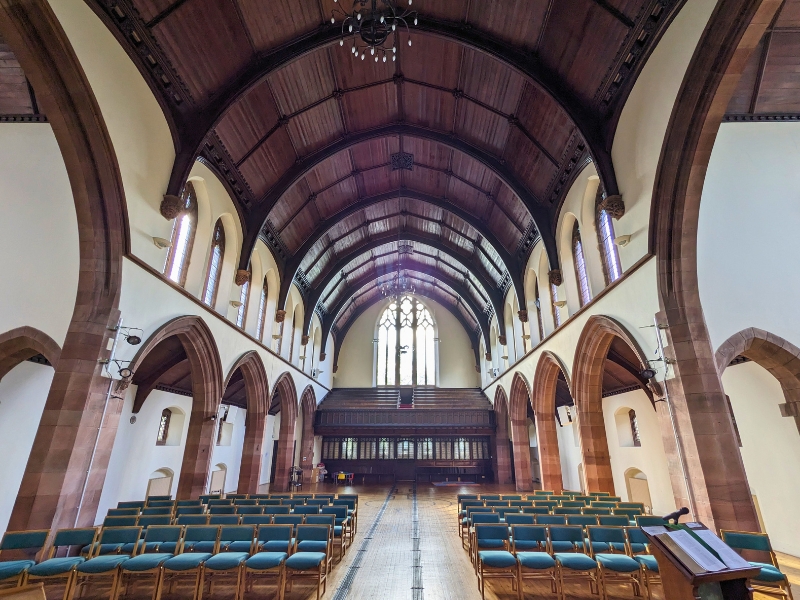
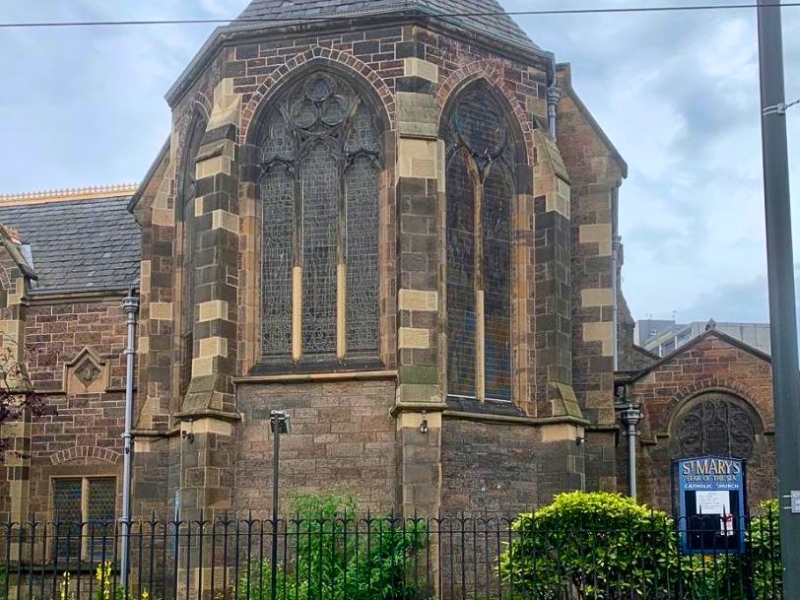
And last but not least, a church with lots of history, some mysteries and lots of beauty to admire: St Mary’s Star of the Sea Church in Leith. This grand Gothic church was designed in 1854 by architects Edward Welby Pugin and Joseph Hansom, but it contains remnants of history dating back to the 13th century. In 2004, extensive archaeological investigations were carried out before a new church hall was constructed, and the remains of Balmerino House were found. This house was built in 1631 and sold to the 2nd Lord Balmerino in 1643. It remained as a family home until the 6th Lord was executed in 1746 for his involvement in the failed Jacobite rebellion. The excavations also uncovered the human remains belonging to around six adult males, whose origins are unknown. The earliest feature discovered on the site was 13th–14th-century pottery found inside a well. These discoveries have made the site a fascinating point of interest for historians and researchers, adding another layer of history to the church and its surroundings.
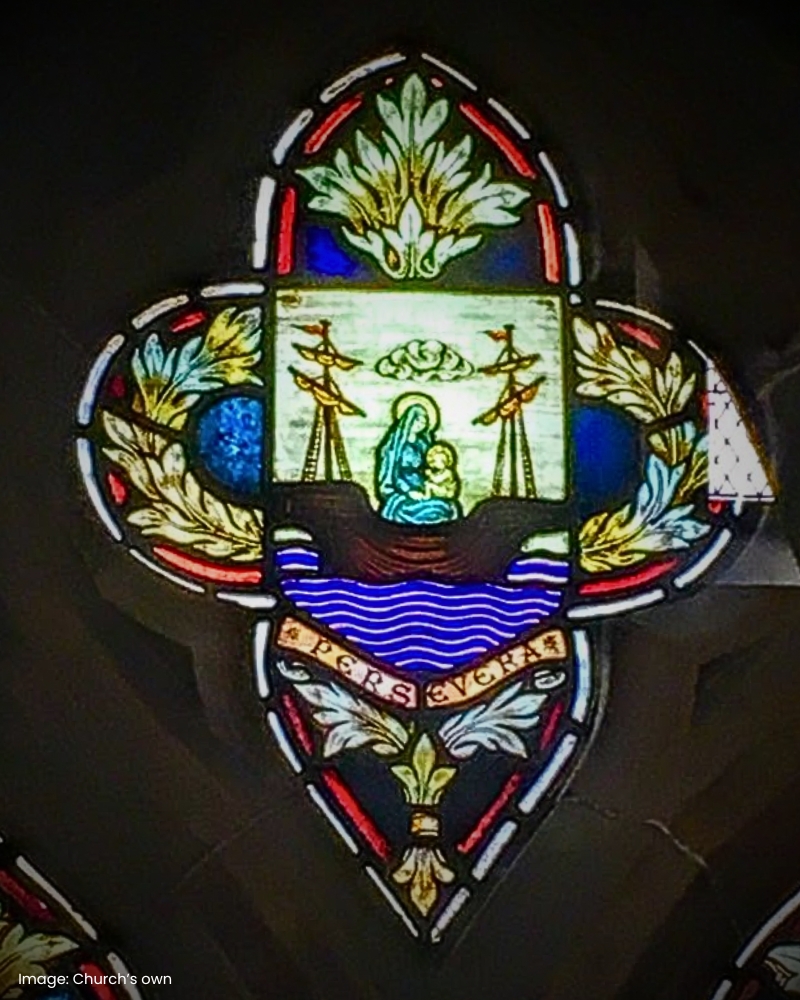
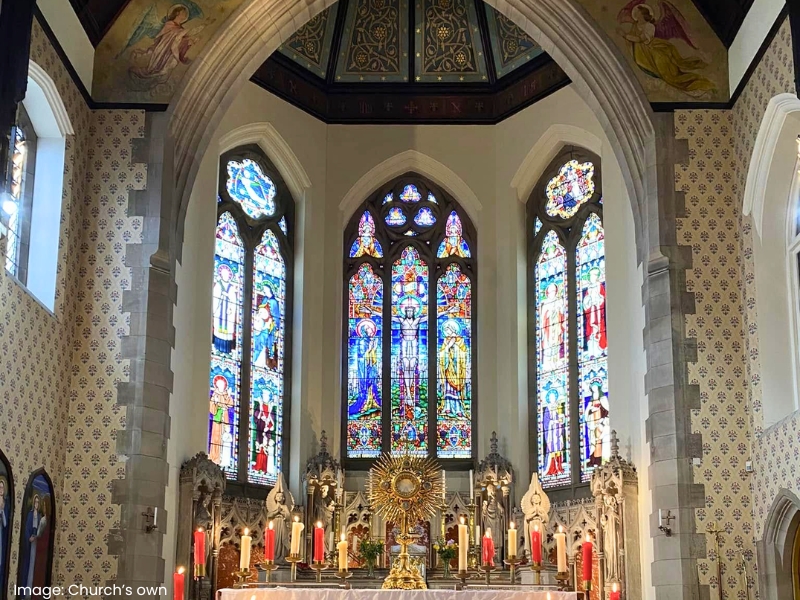
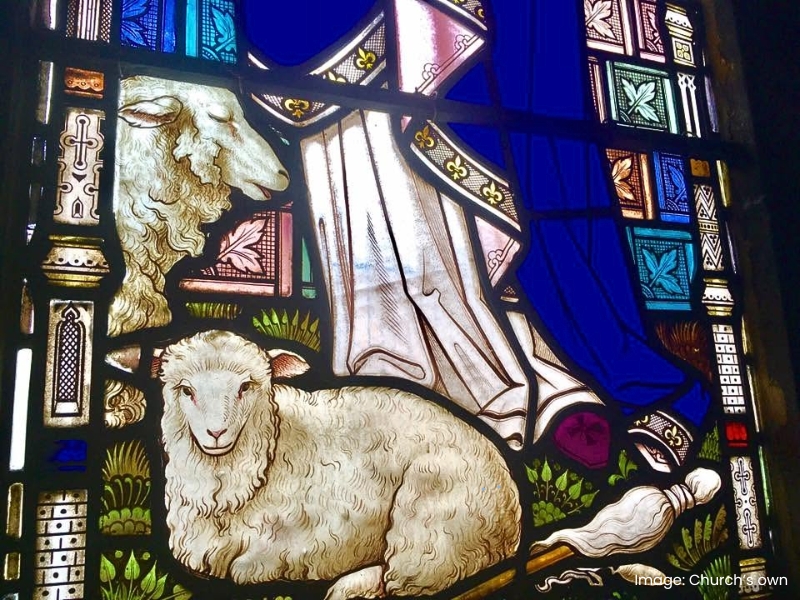
The church itself has a stunning interior with over 20 beautiful stained glass windows. The three multi-light windows at the altar are particularly striking and add a new dimension of colour and light to the building. The windows were mostly designed by Barnett and Sons, whose studios were located in the street opposite the church. The church also has side altars, one of which is dedicated to its namesake, Our Lady, Star of the Sea, an ancient name for St Mary and the patron saint of Leith since the 12th century. The church will open its doors on Sunday, and its members will gladly teach you more about the church’s fascinating history. For anyone interested in the stories hidden beneath Edinburgh’s streets, this is certainly a church worth exploring.
This Doors Open Days festival provides an incredible opportunity to learn about these amazing churches and how their communities are making full use of these spaces. Visiting them not only strengthens our knowledge and love of this city, but also helps us understand the importance of preserving these buildings for future generations. Whether you visit for the architecture, the history, the community activities or simply the chance to step inside somewhere new, Doors Open Days offers a chance to see Edinburgh from a different perspective.
Our thanks to Joanna for contributing this blog. If you would like to write a piece for us about your favourite Scottish church or on some aspect of Scottish religious built heritage do please get in touch.